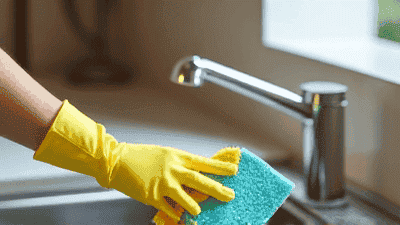
Understanding Foodborne Illness: How Proper Kitchen Hygiene Can Keep You Safe
Food is an essential part of life, bringing people together and nourishing bodies, but improper handling can lead to foodborne illnesses that result in serious health issues. Understanding foodborne illness, its causes, and the preventive measures that can be taken through proper kitchen hygiene is crucial for maintaining the safety of our meals. This blog post aims to educate readers about the importance of food safety, identify common pathogens responsible for foodborne illnesses, and provide practical ti
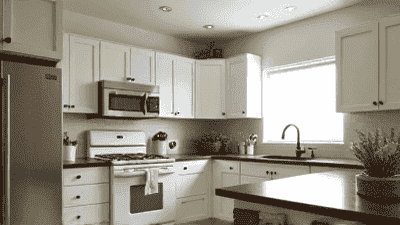
How Often Should You Clean Your Kitchen? Debunking Myths and Establishing Routines
The kitchen is often regarded as the heart of the home, a gathering place for families and friends to share meals, laughter, and memories. However, it is also one of the most frequented spaces and thus requires consistent and thorough cleaning to maintain a sanitary environment. With the myriad of conflicting advice available regarding kitchen cleanliness, it can be challenging to determine how often one should clean various aspects of this vital space. In this blog post, we will explore the importance of m

How to Organize Your Kitchen for Better Hygiene and Efficiency
The kitchen is often referred to as the heart of the home, where families come together to prepare meals, share stories, and create lasting memories. However, a well-organized kitchen is not just about aesthetics; it plays a crucial role in maintaining hygiene and operational efficiency. An organized kitchen helps reduce clutter, streamline meal preparation, and minimize the risk of foodborne illnesses. In this comprehensive guide, we will explore various strategies to organize your kitchen in a way that pr

The Hidden Dangers: Common Kitchen Areas You Forget to Clean
The kitchen is often referred to as the heart of the home, and for good reason. It is where families gather, meals are prepared, and memories are made. However, this crucial part of any household can also harbor hidden dangers due to areas that are often overlooked during cleaning routines. Ensuring a clean kitchen involves more than just wiping down surfaces and washing dishes. Neglecting certain areas can lead to the accumulation of dirt, bacteria, and pests, posing health risks to you and your family.

Seasonal Kitchen Cleaning: Preparing Your Space for Every Culinary Endeavor
The kitchen is often regarded as the heart of the home, where families gather, meals are shared, and culinary adventures unfold. However, maintaining a clean and organized kitchen is not merely about aesthetics; it is crucial for food safety, efficiency, and overall enjoyment while cooking. Seasonal kitchen cleaning provides an excellent opportunity to deep clean, declutter, and reorganize your kitchen, preparing it for various culinary endeavors throughout the year. In this comprehensive guide, we will exp